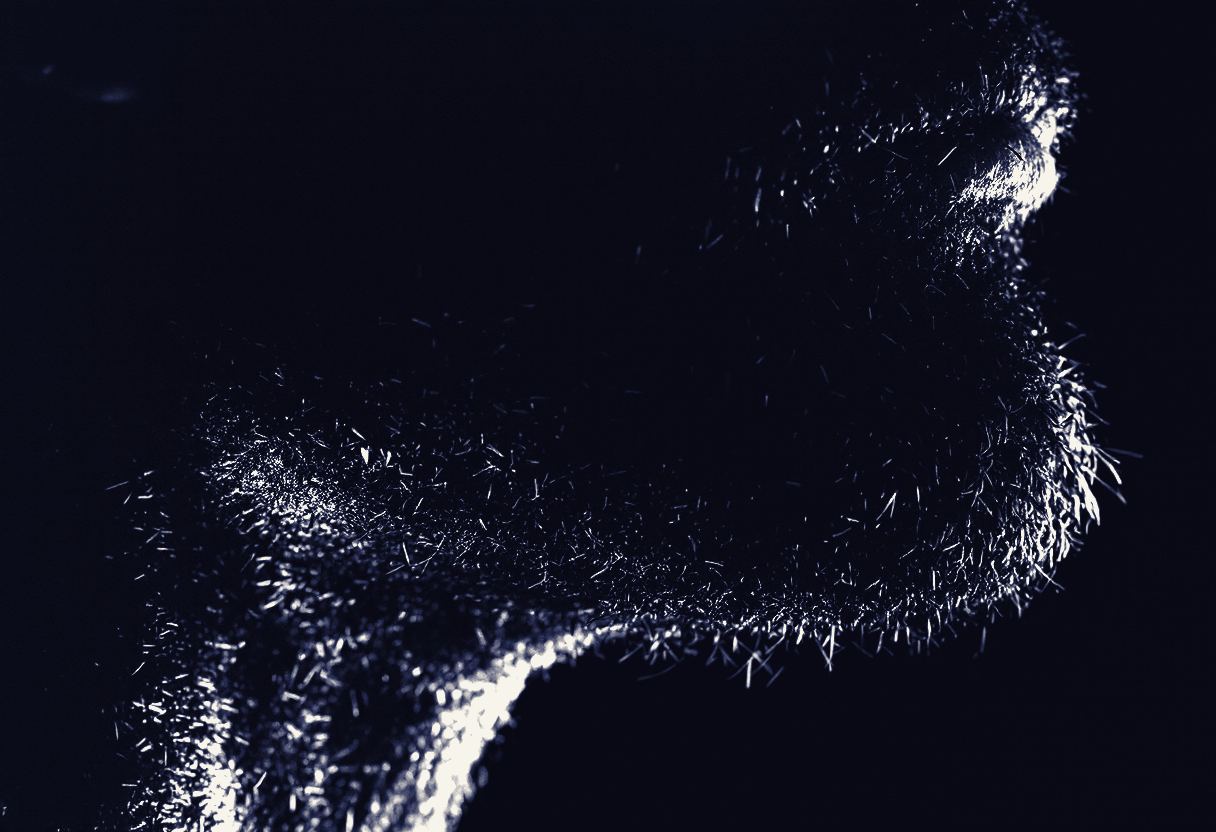
Ask men what they would change and the jawline is near the top of the list, usually described as definition or as the neck. It is also the area with the widest gap between what is advertised and what is achievable, because the underlying anatomy involves four separate structures and most treatments address only one.
1. The four variables
Bone. The mandible provides the underlying angle and projection. Bone resorption with age reduces the height of the mandibular ramus and the definition of the angle. Genetics determine the starting point, and a man with a naturally obtuse mandibular angle will not achieve a sharp jaw by any non-surgical route.
Fat. Two compartments matter. Submental fat sits below the chin and above the platysma in part and below it in part. Jowl fat descends along the jawline as the retaining ligaments weaken. Both respond to weight change, and submental fat is disproportionately responsive to overall weight loss in many men.
Skin. Elasticity declines with age and with photodamage. Once the skin envelope has lost recoil, reducing the volume beneath it can leave laxity rather than definition, which is the central problem in planning any fat reduction in an older patient.
Muscle. The platysma is a broad sheet in the neck. With age its medial edges can separate and become visible as vertical bands, and its downward pull contributes to the appearance of the lower face.
2. Working out which one is dominant
| Observation | Likely dominant variable | Implication |
|---|---|---|
| Fullness under the chin that changes with weight | Submental fat | Weight change first; fat reduction approaches if it persists |
| Skin that does not spring back when gently pinched | Skin laxity | Non-surgical tightening is modest at best; surgical options address it |
| Vertical cords visible when tensing the neck | Platysmal bands | Neuromodulator can soften bands; it does not lift |
| Softening along the jaw line itself | Jowl descent and ligament laxity | Structural support or surgical approaches, depending on degree |
| A jaw that has never been defined, from adolescence | Bone morphology | Non-surgical options are limited; expectations should be set accordingly |
| Fullness that persists at low body weight | Anatomically prominent submandibular gland or persistent fat | Requires assessment; a gland is not a fat problem |
3. What each intervention does
Weight loss. The single most effective and least discussed intervention for the submental area in men carrying excess weight. It is free, it is not a procedure, and it is routinely skipped over in consultations that have something to sell.
Filler along the mandible. Adds projection and definition to the jaw line and can improve the shadow that reads as definition. It does not remove fat and does not tighten skin. In an older patient with laxity, adding volume can add weight to a descending envelope, so patient selection matters. Vascular risk in this region is real, and it is one of the reasons anatomical training matters, as noted in the treatment landscape for men.
Neuromodulator to the platysma. Softens visible bands and can produce a modest change in the appearance of the jaw line. It does not lift and it does not address fat.
Fat reduction, whether by injectable agent, cryolipolysis or surgical liposuction. Reduces submental volume. Skin quality determines whether the result is definition or laxity. Each modality has its own evidence base, risk profile and regulatory position, and injectable fat dissolving products in particular have been the subject of UK regulatory attention.
Energy based tightening. Radiofrequency and ultrasound devices marketed for lifting produce modest changes at best. The marketing in this category is consistently ahead of the evidence.
Surgery. Neck lift and lower facelift procedures address skin, fat and platysma directly and are the only reliable approach to significant laxity. That is a surgical conversation with a surgeon, in which the recovery period and the risk profile are the substance of the discussion.
4. The beard as an option
It deserves a serious mention rather than a joke. A trimmed beard alters the perceived contour of the lower face substantially, costs nothing, has no recovery period and carries no risk beyond the skin considerations set out in beards and the skin underneath. For a significant number of men it achieves more of what they were actually asking for than any of the procedures above.
5. Two things that are not treatments
Jaw exercises and chewing devices. The masseter can hypertrophy with use, which widens rather than defines the lower face. There is no evidence that exercising jaw muscles reduces submental fat, tightens skin or alters bone.
Posture and screen use. Sustained neck flexion does not create permanent lines in any demonstrated way. Skin creases follow habitual movement, and reducing time spent looking down is reasonable advice for the neck and spine, but it is not an anti-ageing intervention.
6. Setting the expectation properly
A useful consultation in this area does three things. It identifies which of the four variables dominates. It says plainly which of them the proposed treatment addresses and which it does not. And it states what the result will look like in terms of degree, not adjectives.
A consultation that offers a single treatment for a jawline without examining skin recoil, palpating the submental area, or asking about weight history has not assessed the problem. That is one of the screening signals in assessing an aesthetic clinic.
7. The skin itself still matters
Whatever the structural picture, the surface quality of the skin over the jaw and neck contributes to how it reads. The neck is chronically sun exposed, rarely protected, and shows photodamage early. Sunscreen applied to the face and stopped at the jaw line is a pattern visible on a great many men in their sixties. The neck and the ears take the same exposure as the face and receive a fraction of the protection, which is a point made at greater length in sunscreen and men.